Climate Smart Food Systems Network Highlights Food Rescue Strategies
March 16, 2026
The Northeast Regional Climate Smart Food Systems (CSFS) Network is part of Minnesota’s broader Climate Smart Food Systems initiative, which supports regional collaboration to strengthen local food systems while advancing climate resilience, waste reduction, and food access goals.
This regional network has been convening partners across Northeast Minnesota since November 2025. The goal of the network is to create a space for partners to share learning, identify opportunities for collaboration, and support strategies that strengthen the regional food system.
Many of these efforts align with State Health Improvement Partnership (SHIP) priorities, including improving food access, supporting community partnerships, and advancing systems-level solutions that promote health and sustainability.
During the February CSFS workgroup meeting, the network hosted an open learning session focused on food rescue initiatives. We were joined by Tom Polich from the Region 9 Development Commission, who shared insights about food rescue work happening across 9 counties in South Central Minnesota. His presentation provided one example of how communities are working to recover surplus food and redistribute it locally.
While food rescue efforts can take many forms depending on regional needs and organizations involved, the discussion helped highlight potential approaches and considerations as the Northeast region continues exploring opportunities in this area.
Food Rescue
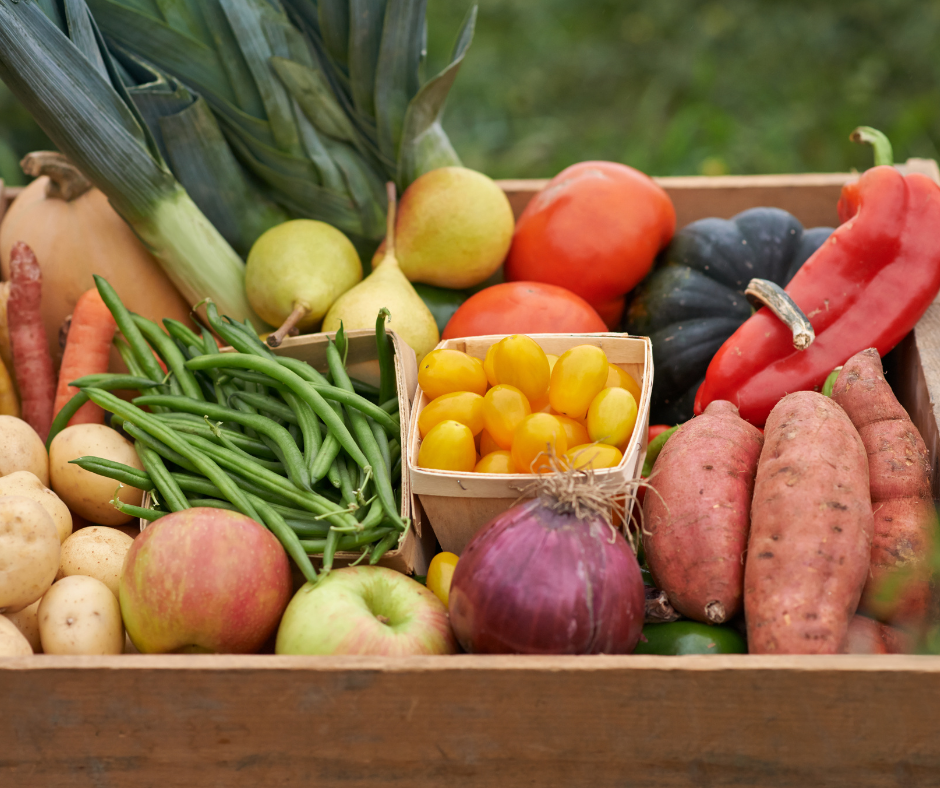
Food rescue refers to edible food that would otherwise be sent to compost or landfills. For example, farmers’ markets may donate surplus produce at the end of the growing season. Rescued food is redirected to food shelves and community partners to reduce waste and increase food access.
Food Security
Expanding food rescue efforts can help increase access to healthy food while reducing unnecessary food waste. During the presentation, Tom shared results from the food rescue model currently being implemented in his region. These results illustrate the potential impact that coordinated food rescue efforts can have.
Impact from Year 1 in Region 9
152 food rescues completed
125,519 pounds of food recovered
That's equivalent to nearly three semi-truckloads of food diverted from waste!
Partners interested in learning more about the network or accessing the recording are encouraged to reach out to Taylour Blakeman, NE Regional Food Coordinator, blakemant@communityhealthboard.org.